

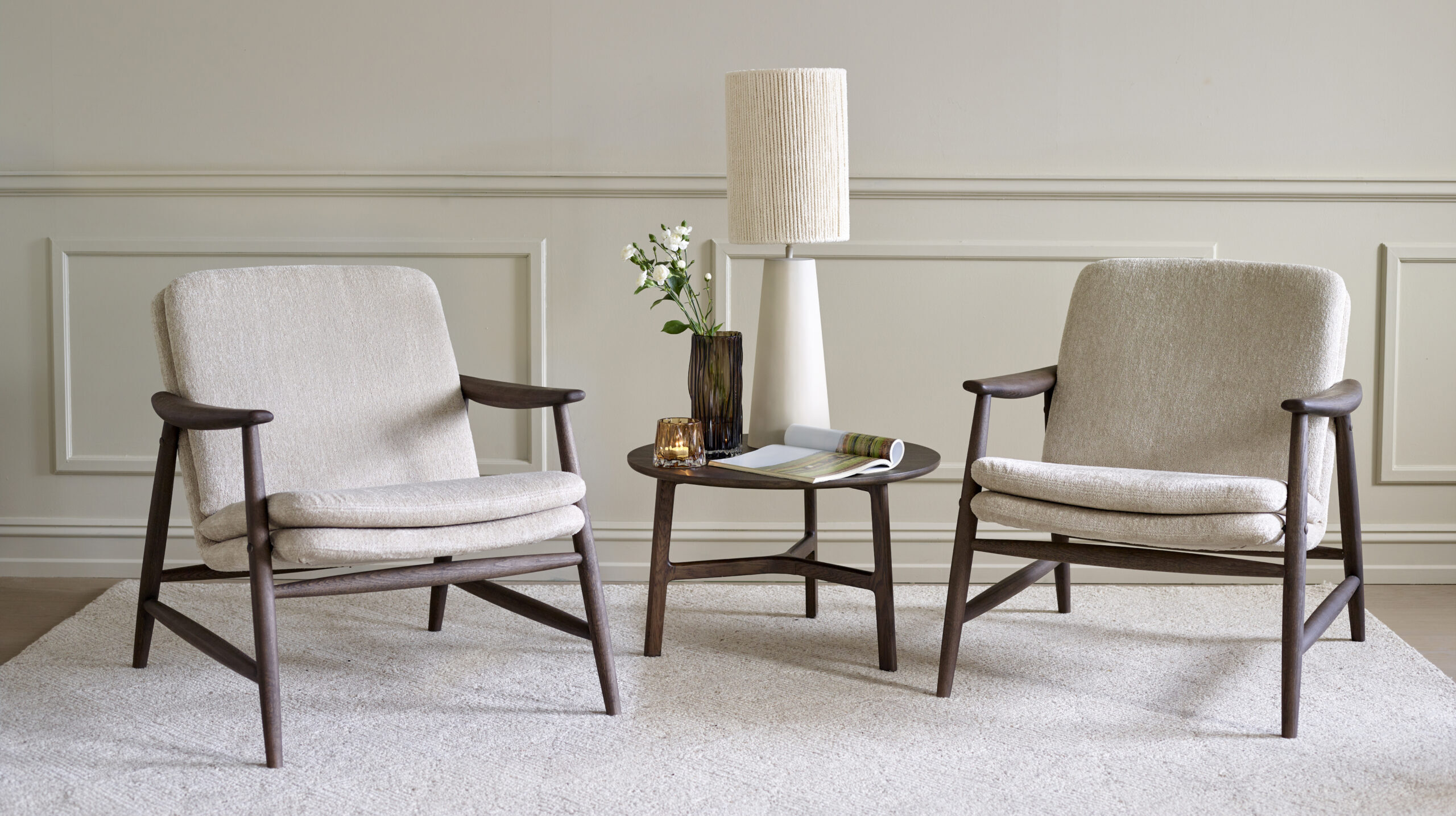
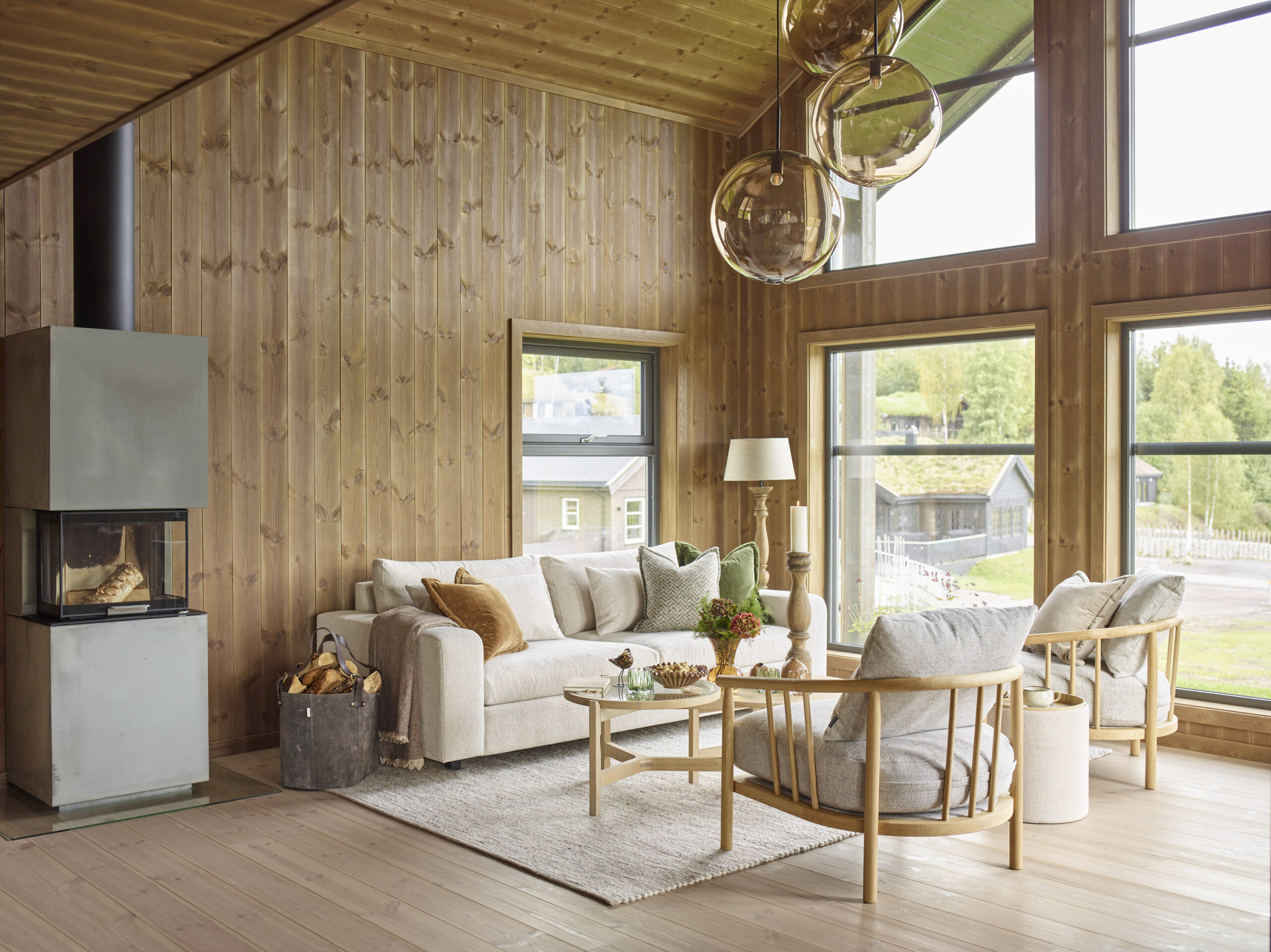
The history of Norwegian furniture design is intertwined with Norway’s tradition of craftsmanship. The art of woodworking has been passed down through generations, and it’s influence can be seen in the intricate details, precision joinery and high-quality materials used in Norwegian furniture.
From the ornate carvings of the 18th century to the clean lines and simplicity of later styles, craftsmanship has always been at the core of Norwegian furniture design. Furniture designers take pride in creating pieces that are not only visually appealing, but also built to last.
In the late 19th and early 20th centuries, Norwegian furniture design was heavily influenced by the National Romantic movement, which sought to celebrate and preserve the country’s cultural heritage.
Designers drew inspiration from Norwegian folklore, nature and traditional crafts, resulting in furniture characterization by intricate patterns, vibrant colors and a strong connection to the surrounding landscape.
This era gave rise to iconic pieces that incorporated elements of traditional Norwegian design, such as the “rosemaling” technique, a style of decorative painting.
Following World War II, Norway experienced a shift toward modernism in furniture design. Influenced by international trends, designers embraced simplicity, functionality and clean lines.
Figures like Fredrik Kayser, Hans Brattrud and Torbjørn Afdal played pivotal roles in shaping the modernist movement in Norway. They created minimalist yet visually striking pieces that seamlessly merged form and function. These pieces often featured organic shapes, ergonomic designs and the use of innovative materials.
One notable example is the “Scandia” chair by Brattrud, which became an iconic representation of Norwegian modernist design.
Norwegian furniture design has long been influenced by the country’s commitment to sustainability and its close relationship with nature.
Designers tend to incorporate organic shapes, natural materials like wood and leather and eco-friendly production techniques. They strive to minimize ecological impact through the use of natural and renewable materials, such as locally sourced wood, leather and textiles. Additionally, designers focus on eco-friendly production techniques, including responsible sourcing, energy efficiency and waste reduction.
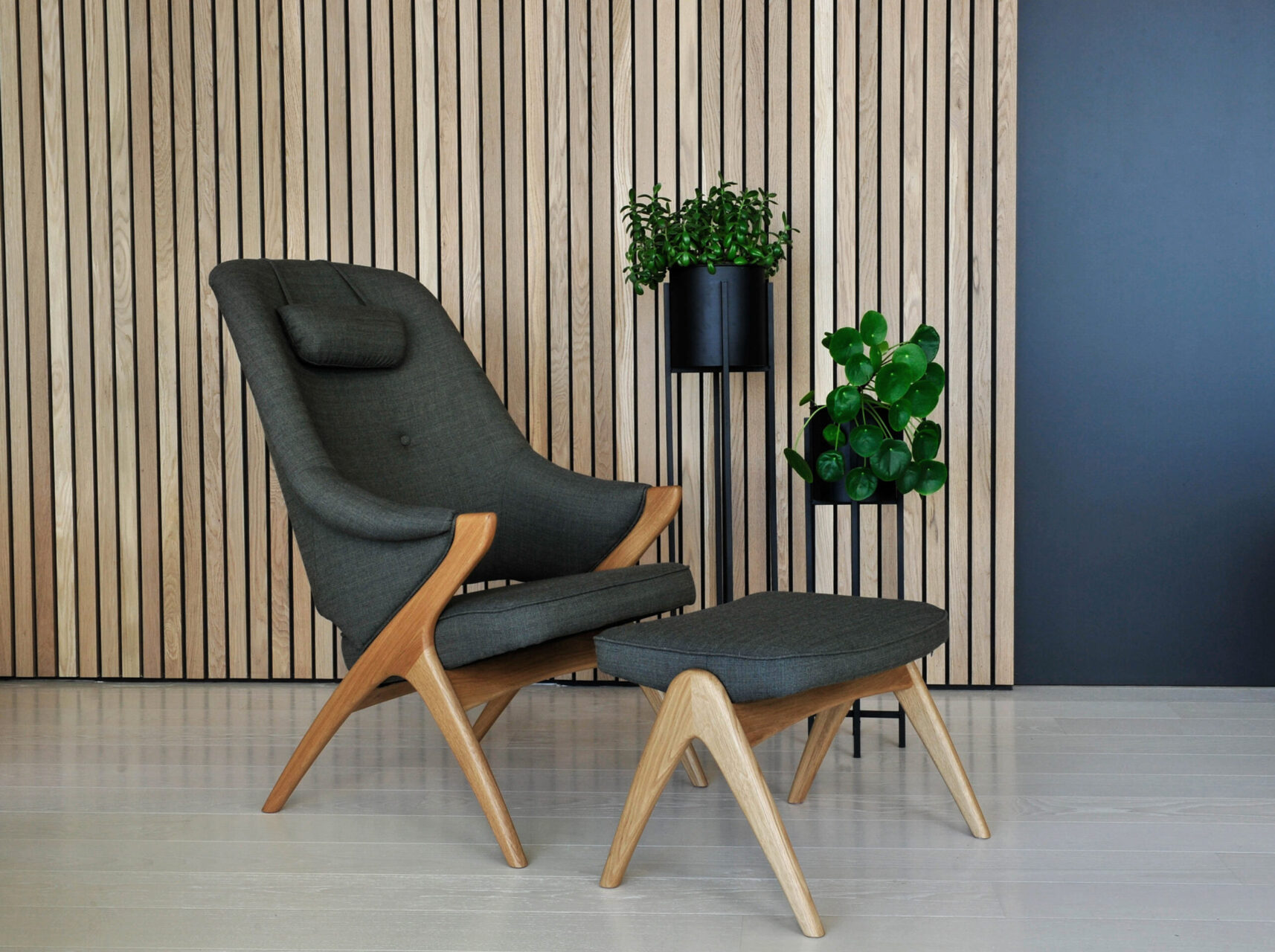
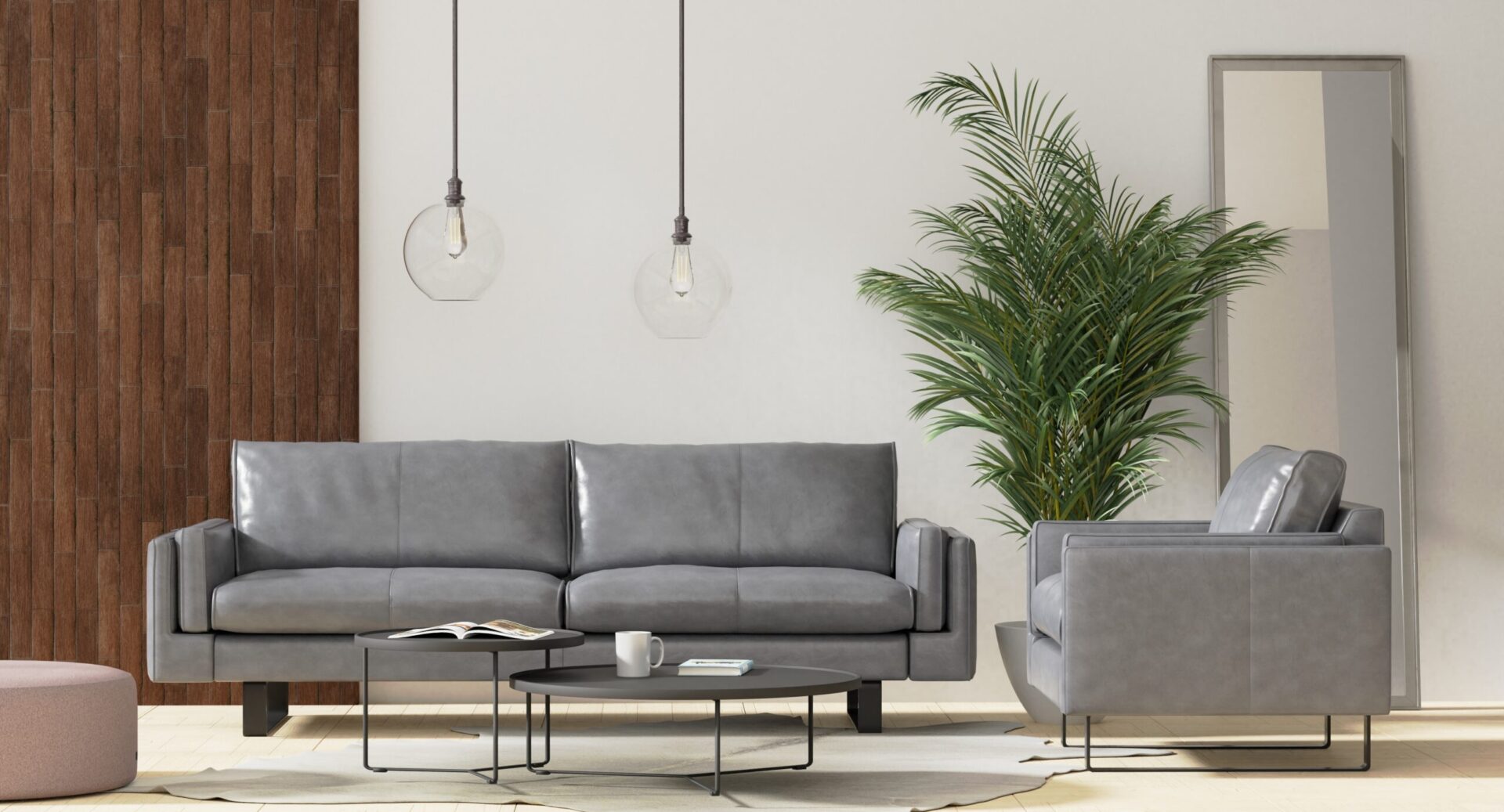
In recent years, Norwegian furniture design has continued to evolve, embracing innovation and pushing boundaries.
Today’s designers are combining traditional craftsmanship with modern techniques and materials to create unique, functional and aesthetically pleasing pieces. They are exploring new materials, experimenting with forms and pushing the boundaries of traditional craftsmanship. The fusion of traditional techniques with modern manufacturing processes allows for the creation of unique and visually stunning furniture pieces.
The history of Norwegian furniture design is a captivating journey that reflects the country’s commitment to craftsmanship, functionality and sustainability.
The Fjords brand was established for the future, with equal parts modern technology and traditional craftsmanship. Technology maintains and improves product quality, but it is people who make the products special.
We are also proud of our Norwegian traditions – something we are carrying with us into the future. Combining this with the ability to think creatively and to be curious and innovative, we don’t just follow the trends—we set them as well.
Discover the renowned history of Norwegian furniture design at a Fjords dealer near you or explore our furniture collections online.
We use cookies to improve your experience on our site. By using our site, you consent to cookies.
Manage your cookie preferences below:
Essential cookies enable basic functions and are necessary for the proper function of the website.
These cookies are needed for adding comments on this website.